




logo BudgetPhoneKing
BudgetPhoneKing

BudgetPhoneKing

King of Affordable Tech

Discover the best smartphones, compare features, and read expert reviews. Your guide to smart choices and unbeatable deals in the world of mobile tech!

📰 From Our Blog

Stay updated with the latest reviews, comparisons, and mobile tech insights.
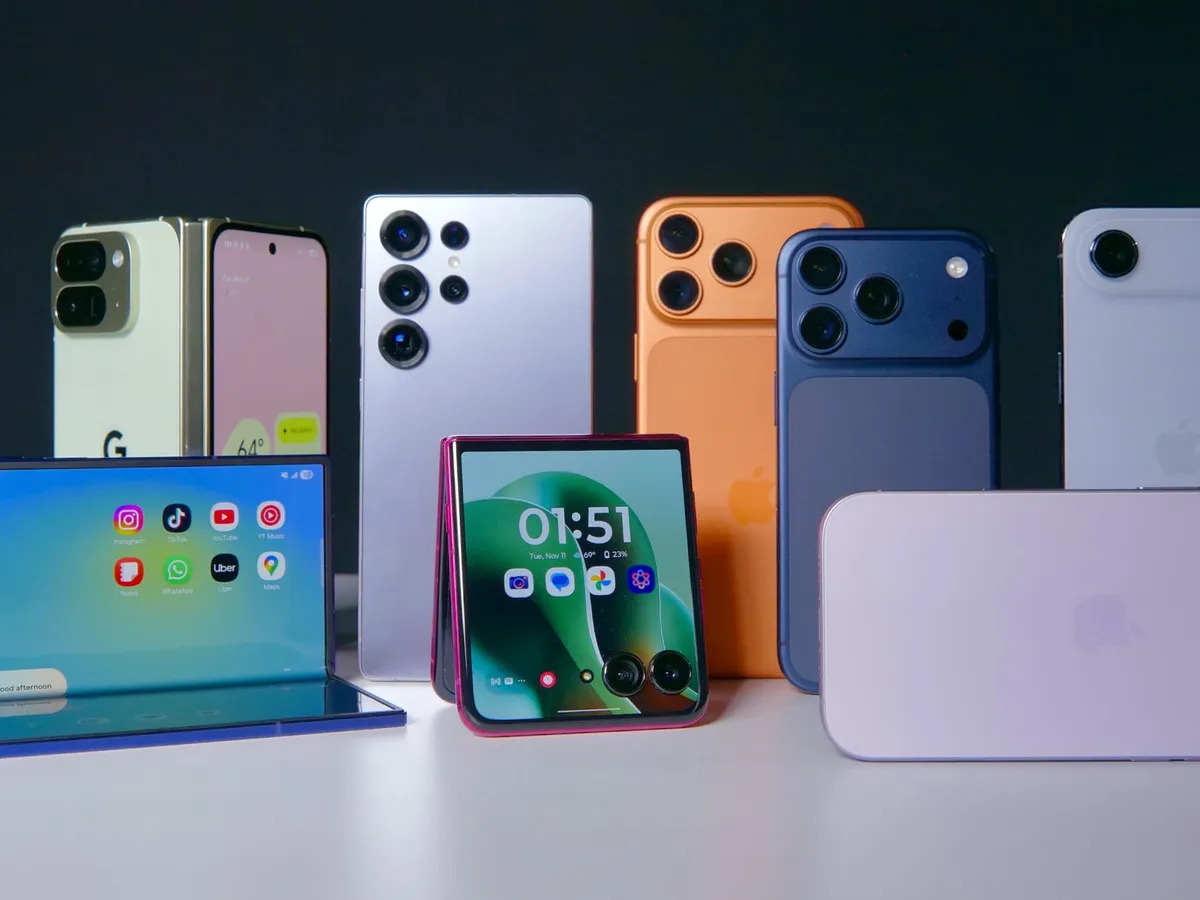
Flagship vs Budget Phones in 2026: Are Expensive Phones Still Worth It?

Flagship vs Budget Phones in 2026: Are Expensive Phones Still Worth It?

Flagship vs Budget Phones in 2026: Are Expensive Phones Still Worth It?

Smartphone prices keep climbing — yet sales of budget phones keep rising.

In 2026, the question isn’t “Which phone is better?”
It’s “Is a flagship still worth the money?”

Let’s break this down honestly, without marketing hype.


What Flagships Still Do Better

Flagship phones still dominate in:

  • Camera consistency in extreme conditions
  • Video recording
  • Premium materials
  • Ecosystem integration

If you create content professionally, flagships still matter.


Where Budget Phones Have Caught Up

Budget phones in 2026 now offer:

  • 120Hz AMOLED displays
  • Strong AI photography
  • All-day battery life
  • Fast charging
  • Smooth daily performance

For 90% of users, the experience is nearly identical.


The “Diminishing Returns” Problem

Paying more doesn’t mean getting more value.

Example:

  • $400 phone: 85% of flagship experience
  • $1,000 phone: extra 15% for double the price

That extra 15% only matters to niche users.


Real-Life Usage Comparison

Daily Tasks

  • Messaging: identical
  • Social media: identical
  • Streaming: identical
  • Browsing: identical

Heavy Tasks

  • Gaming: flagships win
  • Video editing: flagships win

Most users don’t do heavy tasks daily.

How Smartphones Are Really Made in 2026: Chips, Supply Chains, Marketing, and the Hidden Truth

How Smartphones Are Really Made in 2026: Chips, Supply Chains, Marketing, and the Hidden Truth

How Smartphones Are Really Made in 2026: Chips, Supply Chains, Marketing, and the Hidden Truth

Smartphones feel personal — but they are among the most complex industrial products ever made.

In 2026, every phone represents:

  • Multiple countries
  • Dozens of companies
  • Years of engineering
  • Billions in marketing

This article breaks down how smartphones are really made, from silicon to sales — and why this matters to consumers.


The Smartphone Supply Chain Explained

A modern smartphone is not built by one company.

Example Breakdown

  • Chip design: USA
  • Chip manufacturing: Taiwan
  • Displays: South Korea / China
  • Assembly: China / India / Vietnam
  • Software: Global teams

No brand controls everything.


Who Actually Makes Smartphone Chips?

Most brands do not make their own chips.

Major Players

  • Qualcomm: Snapdragon
  • MediaTek: Dimensity
  • Apple: A-series (design only)
  • Samsung: Exynos

Even Apple relies on external fabrication.


Chip Manufacturing: Why TSMC Matters

In 2026, TSMC remains the most important company in tech.

Why?

  • Advanced manufacturing nodes
  • Higher efficiency
  • Better yields

Phones using TSMC-fabricated chips:

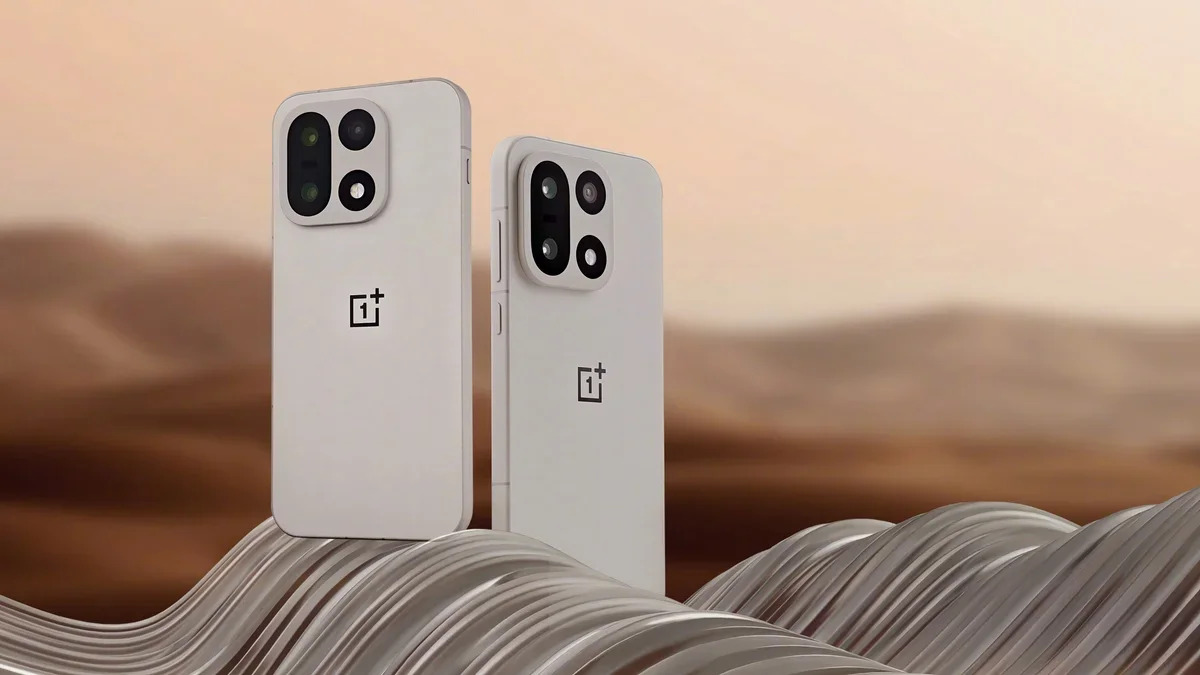
OnePlus 15 Early Review (2026): The Phone That Redefines Speed and Efficiency

OnePlus 15 Early Review (2026): The Phone That Redefines Speed and Efficiency

OnePlus 15 Early Review (2026): The Phone That Redefines Speed and Efficiency

The smartphone industry entered 2026 with a clear message: efficiency matters more than raw power.
Few phones represent this shift better than the OnePlus 15, released in very late December 2025 and rolling out globally in early 2026.

This is not just another yearly upgrade — it’s a phone that reflects where smartphones are headed next.


OnePlus 15: Release Context & Market Position

OnePlus launched the OnePlus 15 at a time when users are:

  • Holding phones longer
  • Demanding better battery life
  • Expecting AI features without performance loss

Rather than chasing gimmicks, OnePlus focused on speed, thermal control, and real-world usability.


Design Philosophy: Familiar but Refined

At first glance, the OnePlus 15 looks familiar — and that’s intentional.

Key Design Changes

  • Thinner frame with better grip
  • Lighter aluminum alloy chassis
  • Improved ceramic camera module
  • Subtle matte finish to reduce fingerprints

This phone is built to be used, not just admired.

Smartphone Trends for 2026: How AI, Batteries, and Cameras Will Change Phones Forever

Smartphone Trends for 2026: How AI, Batteries, and Cameras Will Change Phones Forever

Smartphone Trends for 2026: How AI, Batteries, and Cameras Will Change Phones Forever

Smartphones are entering a new phase.

Instead of focusing on raw power, manufacturers are now competing on intelligence, efficiency, and user experience.
2026 will not be about who has the fastest chip — it will be about who builds the smartest phone.

Let’s explore the biggest smartphone trends for 2026 and how they will affect everyday users.


1. AI Moves From Cloud to On-Device

In 2026, AI will increasingly run directly on your phone.

What This Means

  • Faster responses
  • Better privacy
  • No internet needed for smart features

AI will handle:

  • Photo enhancement
  • Battery optimization
  • Voice commands
  • Content summarization

Budget phones will finally get AI features that once belonged to flagships.


2. Battery Life Becomes a Selling Point Again

After years of stagnation, battery technology is improving.

  • Better efficiency, not just bigger batteries
  • Faster charging with less heat
  • Smarter battery health management

Phones lasting two full days will become common — even in the mid-range segment.

Explore Our Catalog

Browse all smartphones by brand, price, and features. Find the best deals and latest releases.

Go to Catalog

Read Our Blog

Get tips, reviews, and the latest news in mobile tech. Stay informed and make smarter choices.

Visit Blog