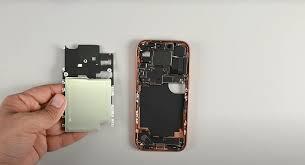
How Smartphones Are Really Made in 2026: Chips, Supply Chains, Marketing, and the Hidden Truth
Smartphones feel personal — but they are among the most complex industrial products ever made.
In 2026, every phone represents:
- Multiple countries
- Dozens of companies
- Years of engineering
- Billions in marketing
This article breaks down how smartphones are really made, from silicon to sales — and why this matters to consumers.
The Smartphone Supply Chain Explained
A modern smartphone is not built by one company.
Example Breakdown
- Chip design: USA
- Chip manufacturing: Taiwan
- Displays: South Korea / China
- Assembly: China / India / Vietnam
- Software: Global teams
No brand controls everything.
Who Actually Makes Smartphone Chips?
Most brands do not make their own chips.
Major Players
- Qualcomm: Snapdragon
- MediaTek: Dimensity
- Apple: A-series (design only)
- Samsung: Exynos
Even Apple relies on external fabrication.
Chip Manufacturing: Why TSMC Matters
In 2026, TSMC remains the most important company in tech.
Why?
- Advanced manufacturing nodes
- Higher efficiency
- Better yields
Phones using TSMC-fabricated chips:
- Run cooler
- Last longer on battery
- Age better
This is why chip origin matters more than brand names.
GPUs: The Hidden Performance Factor
Most users focus on CPUs, but GPUs:
- Control gaming
- Affect UI smoothness
- Influence battery drain
Modern mobile GPUs are optimized for:
- Sustained performance
- AI workloads
- Power efficiency
AI Hardware Inside Phones
AI in 2026 is powered by:
- Dedicated NPUs
- On-device AI cores
- Low-power accelerators
This allows:
- Faster photo processing
- Offline AI features
- Improved privacy
Why Marketing Shapes Your Buying Decisions
Smartphone marketing focuses on:
- Megapixels
- Charging speed
- “AI” buzzwords
But rarely discusses:
- Thermal design
- Software optimization
- Chip efficiency
This gap creates misinformation.
Why Phones Are Getting More Expensive
Costs are rising due to:
- Advanced chip fabrication
- Longer software support
- Higher R&D expenses
- Supply chain instability
However, mid-range phones benefit the most from trickle-down tech.
Budget Phones & Industry Economics
Budget phones exist because:
- Older chip designs are reused
- Manufacturing costs decrease over time
- Software improvements compensate for hardware
This is why value improves every year.
Who Controls the Smartphone Market?
A few companies dominate:
- Chip designers
- Foundries
- OS providers
Brands compete, but the ecosystem is tightly controlled.
What This Means for Consumers
Understanding how phones are made helps you:
- Avoid marketing traps
- Choose better long-term devices
- Spend money smarter
Final Thoughts
Smartphones are not magic — they are engineered compromises.
In 2026, the smartest buyers are informed buyers.
BudgetPhonez exists to bridge the gap between marketing and reality.